

Why our greatest opportunity lies beneath our feet
By Nelson Okwonna*
The AI conversation is dominated by fear: machines replacing workers, algorithms killing jobs, capital taking an ever-bigger slice.
But that’s not the most important question for Africa. The real question: can AI grow the economy fast enough that even a smaller share of a much bigger pie still leaves our people better off?
Consider the numbers. The world produces $115 trillion a year. Labour earns about 55% of that — roughly $63 trillion. The whole digital layer (software, cloud, chips, telecoms, devices) is only $6.9 trillion — about 6% of global GDP.
As AI spreads, that layer could grow to 10%. Many say this means labour loses. History says otherwise.
Technology doesn’t just redistribute value — it grows the whole economy.
Farming shrank as a share of GDP, yet output soared. Manufacturing shrank as a share of jobs, yet output kept rising. What matters isn’t your slice — it’s the size of the pie.
Say labour’s share falls from 55% to 48%. Whether workers end up poorer depends entirely on growth:
▪️ GDP +10% → labour earns ~$60.7T (worse, –4%)
▪️ GDP +20% → ~$66.2T (better, +5%)
▪️ GDP +30% → ~$71.8T (+13%*
▪️ GDP +40% → ~$77.3T (+22%)
The threshold is clear: once growth passes 15–20%, workers earn *more* in absolute terms — even with a smaller share.
But Africa’s challenge is harder. We face disruption and a population boom. Hundreds of millions of young people are entering the workforce. Total income rising isn’t enough — income per worker must rise.
And here’s where most AI talk misses the point.
Africa’s biggest AI prize isn’t automating office work. It’s transforming real assets.
Every rich economy was built on three things: food, materials, energy. The software economy sits on top of the real economy.
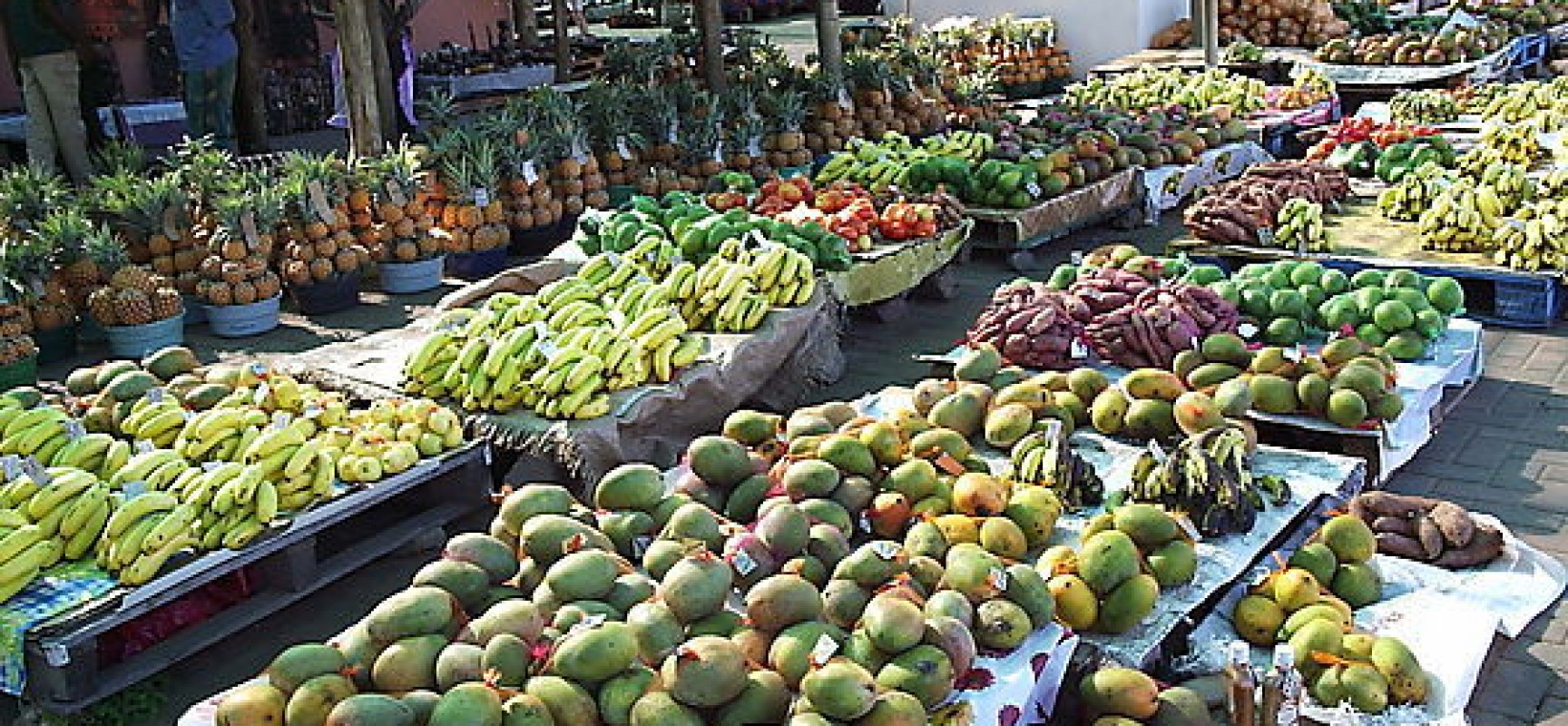
We hold some of the world’s best farmland, critical minerals, renewable energy, and a young workforce — yet most of it is underproductive. Low yields. Minerals exported raw. Sky-high logistics costs.
AI can close these gaps:
▪️ Smarter farming — soil, crops, pests, irrigation, market access
▪️ Better mining — exploration, processing, logistics
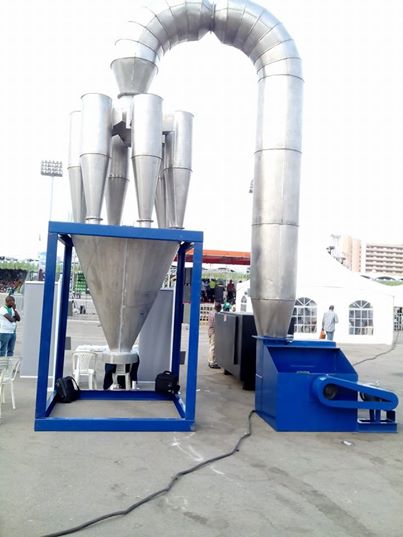
▪️ Optimised energy and supply chains
▪️ Small businesses operating like big ones
We missed the industrial revolution. We barely touched global manufacturing. AI is a chance to compress decades of progress into one generation.
For investors, two priorities:
1. Back AI that upgrades real assets — agriculture, mining, logistics, energy, trade — not just apps.
2. Back the infrastructure that delivers intelligence at scale — data centres, broadband, digital ID. These are the railways and ports of the AI age.
The central question isn’t whether labour’s share falls. It’s whether AI can grow productivity enough that workers, founders and communities are better off in absolute terms.
For Africa, the answer depends less on chatbots — and more on crops, minerals, energy and supply chains.
Our greatest opportunity isn’t in Silicon Valley. It’s beneath our soil, across our farmlands, and within our people.
If AI becomes the missing layer connecting our natural wealth to real productivity, this era won’t be remembered for job destruction — but for economic transformation.
*Okwonna is the CEO of Octoville Development Company.