
ADC rejects ‘political tool’
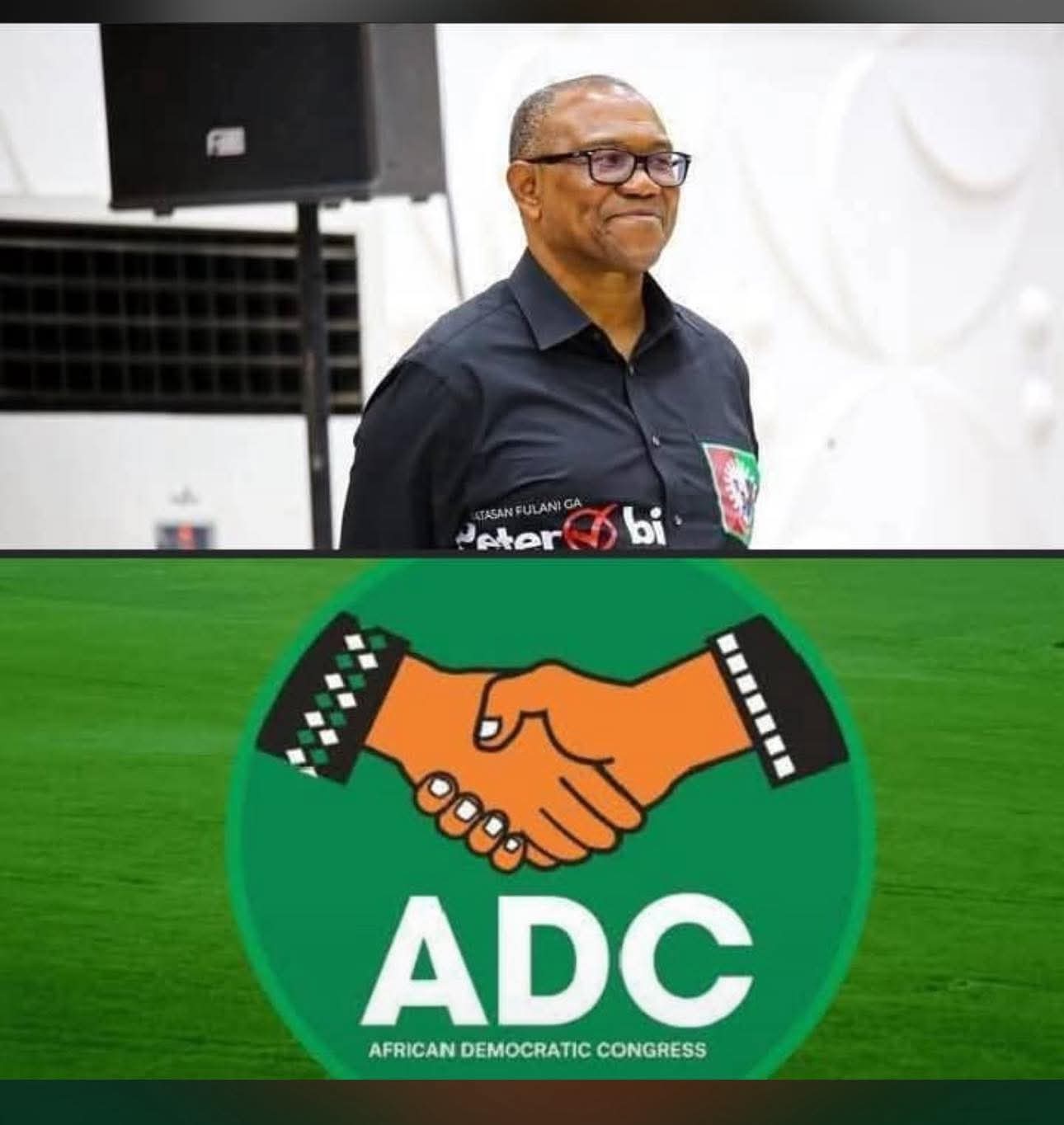
The African Democratic Congress (ADC) has rejected the Nigerian 2026–27 general election timetable released by the Independent National Electoral Commission (INEC) on February 26, alleging that the schedule was deliberately crafted to favour the ruling APC ahead of the 2027 polls.
In a statement posted on X, Friday, the party’s national publicity secretary, Bolaji Abdullahi, described the timetable as a political tool disguised as an administrative announcement.
INEC had announced a major revision of the timetable for the 2027 general election, moving the presidential and National Assembly polls to January 16, 2027, instead of the previously announced February 20 date.
The change follows the repeal of the Electoral Act 2022 and the enactment of the Electoral Act 2026, which significantly alters the legal timelines guiding the conduct of elections in Nigeria.
In a statement issued late Thursday night in Abuja, the Commission said the new law made it necessary to review the election schedule earlier released to the public.
National commissioner and chairman of the Information and Voter Education Committee, Mohammed Kudu Haruna, said the Commission has now “reviewed and realigned the schedule to ensure full compliance with the new legal framework” introduced by the Electoral Act 2026.
According to the updated timetable, governorship and state houses of assembly elections will now hold on Saturday, February 6, 2027.
The new dates mark a clear departure from INEC’s initial plan, which had placed the presidential election in late February and state-level elections in March.
The new timetable also shortens the window for political parties. Party primaries, including the resolution of disputes arising from them, are expected to commence on April 23, 2026, and conclude by May 30, 2026.
INEC further outlined the official campaign periods, stating that campaigns for presidential and National Assembly elections will begin on August 19, 2026, while governorship and state house of assembly campaigns will start on September 9, 2026.
Haruna stressed the importance of strict compliance by political parties, warning that “political parties are strongly advised to adhere strictly to these timelines,” adding that “the Commission will enforce compliance with the law.”
He also noted that all campaigns must end exactly 24 hours before their respective election days, in line with the provisions of the new law.
INEC said the changes are “consistent with the Constitution of the Federal Republic of Nigeria, 1999 (as amended) and the Electoral Act, 2026.” The Commission urged political parties, candidates, and other stakeholders to work together to ensure the success of the 2027 polls, calling on them to “cooperate in ensuring peaceful, credible and inclusive elections that reflect the sovereign will of the Nigerian people.”
But according to ADC’s Abdullahi, what INEC presented as a routine electoral schedule was, in reality, “a political instrument carefully structured to narrow the democratic space and strengthen the hand of the incumbent administration.”
The opposition party accused the electoral body of creating an uneven political environment that allegedly grants the ruling party an unfair advantage through incumbency.
“Democratic competition is based on a level-playing field that does not give any advantage to the contestants,” Abdullahi said, adding that a system where one party allegedly gains a one-year head-start on compliance requirements unknown to other parties until late amounts to “a rigged and corrupt system.”
The ADC further announced that it had aligned with other opposition parties in rejecting what it described as the “corrupted Electoral Act 2026,” insisting that the new timetable derived from the law could not be accepted.
The party alleged that both the electoral law and the timetable appeared designed to advance what it called President Bola Ahmed Tinubu’s “automatic self-succession project” ahead of the 2027 general election.
Declaring its refusal to legitimise the process, the party stated that it was reviewing its political and legal options and would announce its next steps in the coming days.
“ADC will not do anything that will appear to confer legitimacy on a fraudulent system,” Abdullahi said.
The party also called on civil society organisations, democratic stakeholders and Nigerians across political divides to scrutinise the electoral timetable and demand fairness, warning that democracy cannot survive where electoral rules are allegedly structured to produce predetermined outcomes.
INEC has yet to officially respond to the ADC’s allegations as of Friday night.
#