
*To unleash the worst mayhem on the poor if…
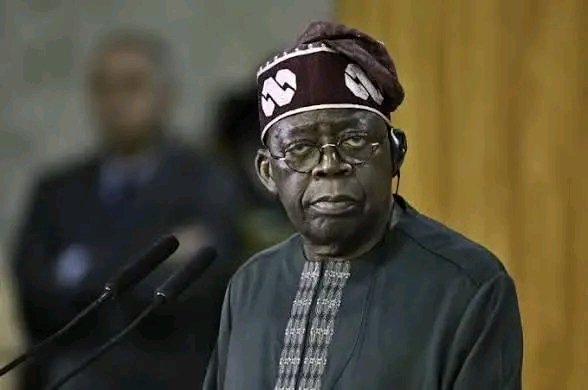
President Bola Ahmed Tinubu’s sudden suspension of the proposed increase in the West African Examinations Council (WAEC) and National Examinations Council (NECO) registration fees as announced this Monday morning may have brought temporary relief to millions of Nigerian families, but it also reinforces a pattern that has become increasingly familiar with his administration: government announces policies that impose fresh hardship on Nigerians, defends them as “necessary reforms”, and only retreats after nationwide outrage, because of fear of losing the forthcoming elections and not necessarily because of its love for the people.
The WAEC/NECO decision is not an isolated incident. It is part of a growing pattern. Since assuming office on May 29, 2023, President Tinubu has implemented some of the harshest economic reforms in Nigeria’s democratic history.
His first official pronouncement as president, via his inaugural address, was the removal of petrol subsidy, pushing pump price from about ₦185 per litre to over ₦500 almost immediately. Today, petrol sells for over ₦1,200 per litre in many parts of the country.
The floating of the naira saw the exchange rate move from about ₦460/$ before the reforms to above ₦1,500/$ at different periods, triggering unprecedented increase in the prices of food, medicine, transportation and virtually every imported commodity. Headline inflation climbed above 34%, while food inflation exceeded 40%, the highest levels recorded in decades. Although the administration eventually approved a new minimum wage of ₦70,000, the sharp rise in inflation substantially eroded workers’ purchasing power.
While the government has remained firm on many painful reforms, it has repeatedly retreated whenever public resistance becomes politically costly. Here is a timeline:
July 2026: WAEC/NECO fee hike suspended
Officially, the Ministry of Education said that the suspension of the proposed increase from ₦27,500 to ₦50,000 per candidate, representing an 82% increase, is to allow for wider consultations with stakeholders. However, to many Nigerians, the timing is telling. The reversal came less than 24 hours after widespread condemnation by parents, students, civil society organisations and opposition figures, including former vice president Atiku Abubakar.
August 2024: Reversal of 18-year university admission policy
Former minister of education Tahir Mamman announced that candidates below 18 years old would no longer be admitted into tertiary institutions. The policy generated widespread condemnation from parents, universities, state governments and education experts. Within weeks, the federal government reversed the decision, restoring the previous admission arrangement.
Late 2024 – early 2025: Tax Reform bills modified
The President Tinubu administration initially insisted that its Tax Reform bills would proceed as proposed. However, after strong opposition from the Nigerian Governors’ Forum, the Northern Governors’ Forum, traditional rulers, organised labour, religious leaders and business groups, several controversial provisions were amended before the bills were eventually passed.
June–July 2024: Minimum wage negotiations
The federal government initially rejected Labour’s demand for a living wage, offering figures that organised labour described as unrealistic. Following a nationwide strike, threats and public pressure, the administration increased its offer several times, before eventually approving a new national minimum wage of ₦70,000.
2023–2024: Electricity tariff adjustments softened
After approving over 200% increases in electricity tariffs for Band A consumers, the government was forced to review the implementation timelines and introduce clarifications, following public criticism, pressure from manufacturers and interventions by labour unions.
Student loan implementation delayed and reviewed
The Students Loan Act signed in June 2023 could not be implemented as announced. Following criticisms over operational guidelines and eligibility conditions, the government suspended implementation, amended the law and relaunched the programme in 2024, under revised rules.
Each case follows a strikingly similar sequence: First, the government announces a controversial anti-people policy. Second, officials insist that the decision is final and necessary. Third, Nigerians react with outrage. Finally, the government suspends, modifies or postpones the implementation.
This does prove that every policy reversal is driven by the fear of losing the next presidential election. If by any means he wins, Nigerians should be ready to face a more deadly, ruthless and inconsiderate President Tinubu. He would unleash the worst hardship, because there will be no more presidential election to lose.
— By The Atiku Movement